

Analyzing Children's Psychology Through Coloring Pages
Analyzing Children's Psychology Through Coloring Pages

Analyzing Children’s Psychology Through Coloring Pages
Coloring is more than just fun and mess-free creativity for little hands. When it comes to child development and emotional-expression, the humble sheet of coloring pages can open a window into a child’s mind—revealing how they feel, what they’re processing, and how they’re growing. In this article, we’ll explore how you can use coloring activities as a gentle tool for analyzing children’s psychology, by paying attention to what they choose to color, how they use color, and what stories they tell through their art. We’ll approach this in a friendly, supportive tone—like the quiet wisdom of “Cốm Phố Xưa”—and aim to provide real guidance (especially in 2026) that you can use at home or in a classroom.
Why Coloring Pages Matter for Child Development
When a child picks up crayons and opens a design to color, they’re not just filling spaces. They’re practicing fine motor skills, exploring visual language, and often expressing inner feelings. Research indicates that art‐based activities—including coloring worksheets—help children calm down, reflect, and develop coping skills.
Here are three key ways coloring pages intersect with child development and emotional expression:
-
Fine motor & cognitive growth: Coloring helps children develop control of hand movements, planning of color choices, and organization of space.
-
Emotional outlet: Children may express big feelings—happiness, worry, frustration—through how they choose, use, or reject colors and spaces.
-
Psychological insight: By observing patterns in a child’s coloring (e.g., extreme color choices, avoidance of spaces, repetitive images), parents or educators may gain clues about underlying thoughts, moods, or developmental milestones. Studies of children’s drawings show differences in complexity, color use, positioning that relate to age, culture, and psychological state.
Thus, if you’re looking at analyzing children’s psychology, coloring pages become a gentle, non-threatening medium for reflection and insight.
How to Use Coloring Pages to Explore a Child’s Mind
Here’s a step-by-step guide you can follow when using coloring as a tool for psychological insight (not diagnosis), with respect for the child’s comfort and expression.
Select the Right Coloring Pages
Choose sheets that are open enough to allow free expression, yet structured enough to observe choices. For example:
-
Emotion‐themed pages (happy/sad/angry faces) encourage emotional expression.
-
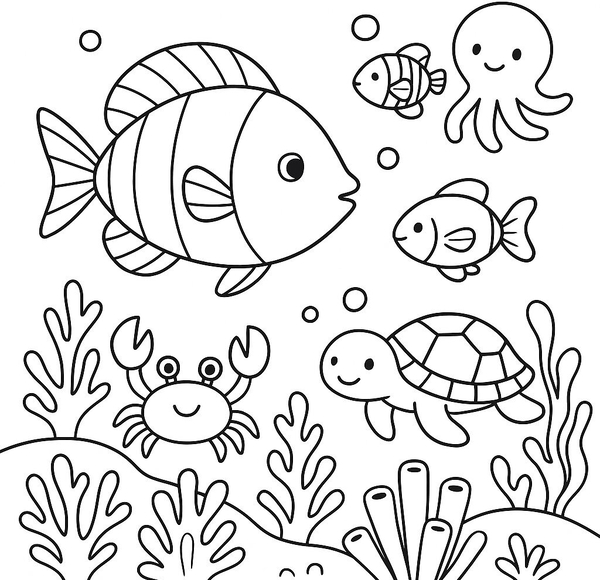
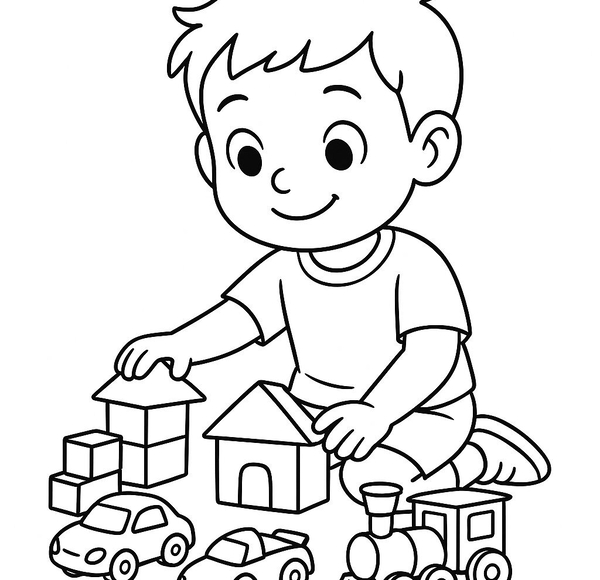
General scenes (nature, people, objects) that invite the child to fill in with color and perhaps add elements.
-
Make sure the page isn’t too overwhelming—simple zones can reveal more than ultra-complex images.
Provide a Supportive Environment
Set up a calm space where the child feels safe:
-
Use a variety of colors and allow children to choose freely (not imposing “you must use blue here”).
-
Let them work at their own pace. Observe without interrupting or interpreting too quickly.
-
Encourage conversation if they want: “Tell me about your picture,” rather than “Why did you choose red?”
This open environment gives room for informal psychological exploration, not direct questioning.
Observe the Coloring Process and Choices
While the child colors, you can gently observe:
-
Which colors they pick first, and how they use them (e.g., dark vs light).
-
How they fill space: Do they stay within lines, do they rush, do they leave large blank areas?
-
Whether they add new elements or reinterpret the page (drawing outside the lines, changing objects).
-
Their emotional tone: Are they calm, hesitant, excited, frustrated?
Since children often express what they cannot yet put into words, these visual cues can reflect their inner state.
Reflect on What the Art Might Reveal
Here are some patterns that may send helpful signals (not definitive diagnoses):
-
A child choosing very dark or heavy colors in large areas might be expressing anxiety or stress.
-
Avoiding or leaving blank large areas might point to reluctance or uncertainty about expressing something.
-
Repetitive use of certain shapes or symbols may show focus on a particular feeling or thought.
-
Bright, varied colors and dynamic additions may show healthy exploration of emotional expression and growth in child development.
Again, these are clues, not judgments. Always pair observation with conversation and professional insight if needed.
Encourage Discussion and Creativity Post-Coloring
Once the page is done, take a moment to celebrate the work and ask open-ended questions:
-
“What part do you like best? Why?”
-
“If this picture could talk, what would it say?”
-
“If you could add something new, what would you draw?”
These questions deepen the reflection and reinforce the value of the art as a tool for growth rather than just a coloring activity.
What the Research Says: Insights into Color, Drawing and Child Psychology
-
A study of children’s drawings found measurable differences in color intensity, placement (gravity center) and complexity of images across ages and cultures—suggesting that even “simple” art can convey developmental trajectories.
-
Coloring worksheets used in mental-health contexts (for kids) showed that art helps children with emotional self-regulation, peace of mind, and better self-expression.
-
While color preferences (such as in the Lüscher color test) have been critiqued, they illustrate that children’s choice of hue can reflect mood and personality elements (though with caution).
In short, the interplay between drawing, coloring, child development and psychology is real—and coloring pages offer an accessible pathway for observation, growth and gentle insight.
Practical Tips for Parents, Educators & Therapists
-
Keep an art journal: Save completed coloring pages with notes about date, child’s mood, any comments. Over time you may see patterns.
-
Use emotion-themed coloring pages regularly (e.g., monthly) to check in: Are certain colors or avoidance creeping up?
-
Balance freedom and guidance: Let the child lead the process, but offer prompts if they’re stuck (“Would you like to add something here?”).
-
Pair coloring with talk: After the session, give the child a chance to share their thoughts—linking their picture to feelings promotes emotional expression.
-
Respect that not all drawing means something deep—not every blank space or heavy color is a problem. Most of the time it’s exploration and joyful creation.
-
If you note concerning patterns (e.g., consistent avoidance, extremely heavy dark coloring, significant distress), consider consulting a child psychologist or art therapist for professional interpretation.
FAQ – Frequently Asked Questions
Q1: Can coloring pages really help with analyzing children’s psychology?
A: Yes—they offer a non-verbal, low-pressure way for children to express thoughts and feelings. While not diagnostic tools, they give meaningful clues when observed carefully.
Q2: What should I do if the child uses very dark or heavy colors?
A: Rather than jumping to conclusions, use it as a prompt: “Tell me about this part—it looks strong/dark.” Offer space to talk, validate feelings, and let the child lead.
Q3: Does the child need to stick to realistic colors for meaningful expression?
A: Not at all. Fantasy colors (purple skies, green faces) can be vivid expressions of internal states. The key is how the child chooses to use them—pattern, intensity, avoidance—all matter more than realism.
Q4: How often should I use coloring for developmental/emotional insight?
A: You might start with once a week or once every two weeks. Over a few months you’ll have enough variability to see patterns. The goal is consistency, not frequency for its own sake.
Q5: What if a child resists coloring pages—does that tell something?
A: Possibly—but again, context matters. Resistance could come from boredom, lack of interest, or preference for other media (like clay or blocks). If you suspect emotional or developmental issues, try alternative art forms or consult a professional rather than assuming meaning.
Conclusion
In the quiet swirl of crayons, lines, and color-filled spaces, children reveal pieces of their inner world. Using thoughtfully selected coloring pages, keen observation, and gentle conversation, we can begin analyzing children’s psychology not as a rigid diagnosis but as an invitation into their thoughts, feelings, and growth. When paired with principles of child development and rooted in opportunities for emotional expression, these activities become meaningful mirrors of growth, challenges, and joy.
As we move through 2026 and beyond, we’re increasingly aware that art-based activities are not just “nice to have”—they are powerful tools for insight and connection. So invite a child to color today, observe the page with kindness, ask open-ended questions, and cherish the story their image tells. In that story lies possibility, growth, and a deepening of understanding. Let’s honor those moments, support their journey, and nurture their voice through color.




AAdministratorAdministrator
Welcome, honored guests. Please leave a comment, we will respond soon