

Coloring Pages and Art Therapy for Kids
Coloring Pages and Art Therapy for Kids
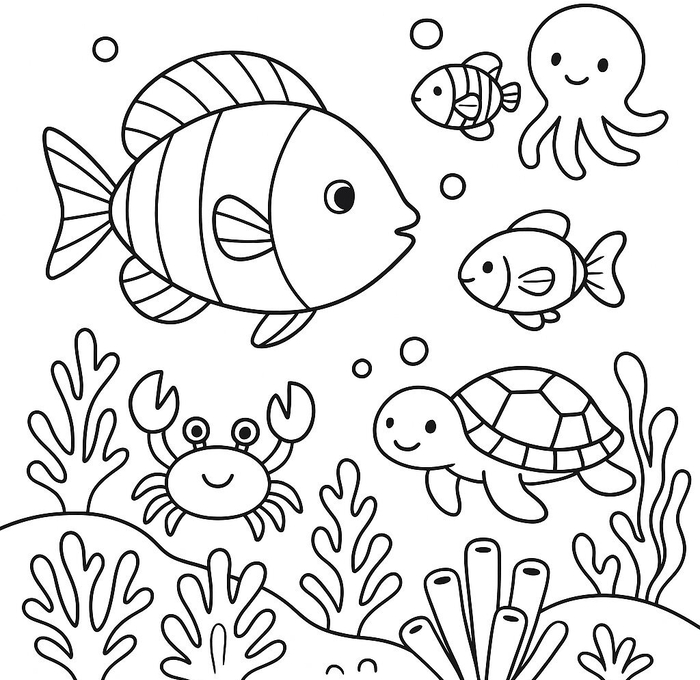
Coloring Pages and Art Therapy for Kids
Art has always had the power to soothe, heal, and reveal inner worlds—especially for children. In recent years, parents, teachers, and child-development specialists have increasingly recognized how coloring therapy for kids and art therapy create safe pathways for emotional healing and self-expression. Coloring pages, once simple playtime activities, have now become meaningful tools for understanding feelings, managing stress, and supporting mental well-being.
In this warm, gentle, storytelling style inspired by “Cốm Phố Xưa,” let’s explore how therapeutic coloring can help children open their hearts, settle their minds, and bloom confidently—one stroke at a time.
Understanding the Connection Between Coloring and Art Therapy
Art therapy is a therapeutic practice that uses creative expression—drawing, coloring, painting, and crafting—to help individuals communicate emotions that may be too difficult to express with words. When children participate in this process, they gain a non-verbal outlet that feels comfortable, safe, and natural.
At the heart of this lies therapeutic coloring, a lighter, child-friendly approach that uses structured coloring activities to encourage emotional release, concentration, and self-reflection. Children often draw or color freely without inhibition, making coloring pages the perfect bridge between fun and healing.
This is why professionals increasingly incorporate coloring therapy for kids into school support programs, counseling sessions, and home routines. It’s gentle, accessible, and deeply effective.
Why Coloring Pages Work So Well for Children
Coloring pages do more than keep kids entertained—they create a familiar and non-threatening environment for expression. Here's why children respond so beautifully to them:
1 They Provide Structure
For children who feel overwhelmed, structure brings safety. Coloring pages offer outlines and boundaries, helping kids focus on one space at a time.
2 They Reduce Pressure
A blank page can feel intimidating. A pre-drawn design removes the fear of “messing up” and invites relaxation instead.
3 They Inspire Imagination
Children choose colors freely—this choice alone empowers them and boosts confidence.
4 They Support Emotional Expression
Colors become a language of feelings. A child who struggles to say “I’m worried” may choose darker tones or create intense patterns that gently signal emotional needs.
This combination makes coloring pages a simple yet powerful tool in art therapy practices.
The 5 Key Benefits of Coloring for Children in Art Therapy
When coloring is integrated into therapeutic routines, its effects run deeper than creativity alone. Let’s explore the core benefits of coloring for children when used intentionally.
Benefit 1: Emotional Release and Regulation
Kids often experience emotions they don’t know how to verbalize. Coloring gives them a safe way to express feelings such as fear, frustration, sadness, or excitement.
-
Smooth strokes calm the nervous system
-
Repetitive coloring motions support self-soothing
-
Color choices reflect mood and emotional tone
-
Children gain space to breathe without pressure to “explain”
This is why coloring therapy for kids is often used during stressful transitions, such as school changes, family adjustments, or emotional overwhelm.
Benefit 2: Development of Self-Expression and Identity
Art allows children to discover who they are. Through therapeutic coloring, they begin to:
-
Choose colors that represent their personality
-
Add unique details to coloring pages
-
Explore personal themes (family, nature, heroes, hobbies)
-
Build confidence through creative decisions
Children learn that their thoughts and choices matter—a vital part of emotional development.
Benefit 3: Improved Focus and Mindfulness
Coloring helps children stay grounded in the present moment. It slows the mind, organizes thoughts, and helps them practice concentration.
When used in a calming setting, kids naturally develop:
-
Better attention span
-
Greater patience
-
Stronger ability to finish tasks
These are foundational skills that translate into better academic performance and emotional resilience.
Benefit 4: Strengthened Cognitive and Motor Skills
While coloring may seem simple, it works multiple brain areas at once:
-
Fine motor control through pencil grip
-
Bilateral coordination (using both hands)
-
Spatial awareness and planning
-
Logical decision-making through color organization
Children who color regularly often show improved handwriting, stronger hand control, and better early learning habits.
Benefit 5: Reduced Stress, Anxiety, and Behavioral Outbursts
One of the most important benefits of coloring for children is its ability to reduce emotional tension.
Coloring acts as a “reset button” for children who:
-
Feel overstimulated
-
Struggle with big emotions
-
Experience anxiety or restlessness
-
Have trouble calming down
In art therapy sessions, coloring is frequently used to transition between emotional states, helping children regain equilibrium before deeper discussions.
How Art Therapists Use Coloring in Sessions
Professionally guided art therapy uses coloring in many thoughtful ways:
1 Emotion-Themed Coloring Pages
Pages featuring expressions, weather, or symbolic objects help children explore specific emotions.
2 Story-Based Coloring
Children color scenes, then describe the “story,” revealing hidden thoughts or worries.
3 Mandala or Pattern Coloring
These designs encourage focus, patience, and relaxation—ideal for anxiety-prone children.
4 Free-Choice Coloring
The therapist observes the child’s choices to understand behavior patterns, emotional tone, and coping mechanisms.
5 Parent–Child Coloring
Joint coloring activities strengthen bonds and open communication in a gentle way.
Through these methods, therapeutic coloring becomes a meaningful part of healing and development.
Using Coloring Therapy at Home: A Parent’s Gentle Guide
You don’t need professional training to introduce healing coloring habits into your home. Here’s how to get started:
Create a Quiet “Art Corner”
A small table, soft lighting, and accessible coloring supplies encourage natural creativity.
Offer a Variety of Coloring Pages
Mix simple shapes, characters, mandalas, nature scenes, and emotion-based pages.
Let Your Child Lead
Avoid correcting or directing. Trust their instincts.
Talk After They Color
Ask open-ended questions like:
-
“Which part do you like best?”
-
“What made you choose these colors?”
-
“How did this page make you feel?”
Keep a Coloring Journal
Store completed pages to observe emotional patterns and celebrate progress.
These simple habits turn coloring time into a daily touchstone of comfort and connection.
Recognizing When Coloring Signals More
While coloring pages often reflect normal childhood development, certain patterns may suggest deeper emotional needs:
-
Persistent use of very dark or heavy strokes
-
Avoidance of faces or certain themes
-
Extreme perfectionism or frustration
-
Sudden shift in color use or tone
If these patterns continue, consider consulting a trained art therapy professional who can offer insight and support.
FAQ – Frequently Asked Questions
1. What age is ideal for coloring therapy for kids?
Children as young as 2 can benefit, though therapeutic coloring typically becomes most effective around ages 4–12.
2. Are digital coloring apps as helpful as traditional coloring?
Digital coloring supports creativity but may not offer the same emotional grounding or fine motor benefits as physical coloring tools.
3. How often should children color for therapeutic benefit?
Daily is ideal—even 10–15 minutes can create emotional and developmental improvements.
4. Do children need special coloring pages for therapy?
Not necessarily. Any page can be therapeutic if used intentionally, but emotion-themed or open-ended designs can deepen the process.
5. Is coloring therapy a substitute for professional counseling?
It can support emotional well-being, but serious concerns should be addressed with a licensed therapist or pediatric specialist.
Conclusion
Coloring may seem simple, but its impact on a child’s heart and mind is profound. Through coloring therapy for kids, children learn to express feelings, process challenges, calm their thoughts, and discover joy in creation. When combined with the nurturing practices of art therapy, coloring becomes a bridge between emotions and understanding—a safe path where children can explore who they are and who they’re becoming.
In 2026, as families and educators seek gentle tools to support children’s mental well-being, therapeutic coloring continues to shine as one of the most accessible and meaningful options. It brings peace, connection, creativity, and healing—one page, one color, one quiet moment at a time.
So place a coloring page in front of your child today. Sit beside them. Share the silence and the soft strokes of color. You may find that in these quiet minutes, healing begins—not just for them, but for you too.




AAdministratorAdministrator
Welcome, honored guests. Please leave a comment, we will respond soon