

How to Choose Coloring Pages for Kids to Develop Their Thinking Skills
How to Choose Coloring Pages for Kids to Develop Their Thinking Skills
How to Choose Coloring Pages for Kids to Develop Their Thinking Skills
Choosing the right kids coloring pages isn’t just about finding something cute or fun—it’s about selecting designs that nurture creativity, strengthen early brain development, boost focus, and even provide relaxing coloring experiences that support stress relief for children.
In 2026, parents and educators are paying more attention to activities that support cognitive development while still keeping kids engaged. Coloring is one of the simplest yet most effective tools to build thinking skills—as long as you choose the right pages.
Let’s dive deep into how to choose the best coloring content that truly helps children grow, think, and thrive.
Why Choosing the Right Coloring Pages Matters
Kids naturally love to color, but not all coloring pages have the same developmental benefits. The right choices can support hand-eye coordination, observation skills, problem-solving, and mental flexibility.
Coloring also creates space for quiet focus—a rare gift in a busy digital world. Many parents even use coloring as a form of relaxing coloring practice to help children unwind after school, reduce anxiety, and improve emotional balance.
With the right approach, coloring becomes more than a hobby—it becomes a learning journey.
Choose Coloring Pages That Encourage Cognitive Development
To support true cognitive development, focus on designs that challenge the brain just enough without overwhelming the child.
✔ Choose pages with patterns, shapes, and symmetry
-
Mandalas (simple versions for younger kids)
-
Animals with geometric patterns
-
Nature scenes with repeating elements
These help kids recognize patterns and symmetry, stimulating areas of the brain associated with logical thinking and processing.
✔ Select pages that require decision-making
Pages with varied shapes and elements encourage children to decide which colors to use, nurturing independent thinking.
✔ Look for themed pages that teach something
Certain kids coloring pages introduce early learning topics like:
-
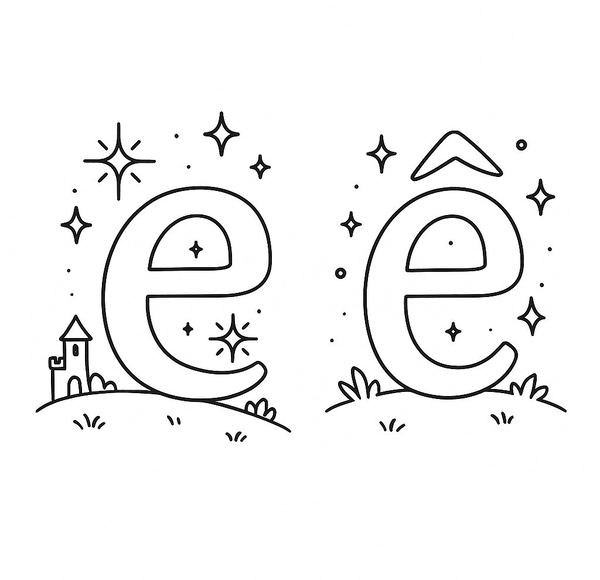
Letters and numbers
-
Seasons and weather
-
Plants and animals
-
Community helpers
-
Emotions
These enrich vocabulary and world understanding while coloring.
Pick Age-Appropriate Coloring Pages
Every age group benefits differently from coloring, but choosing the right complexity is essential.
✔ Ages 2–4: Simple and bold designs
These help toddlers practice hand control. Look for:
-
Thick outlines
-
Large spaces
-
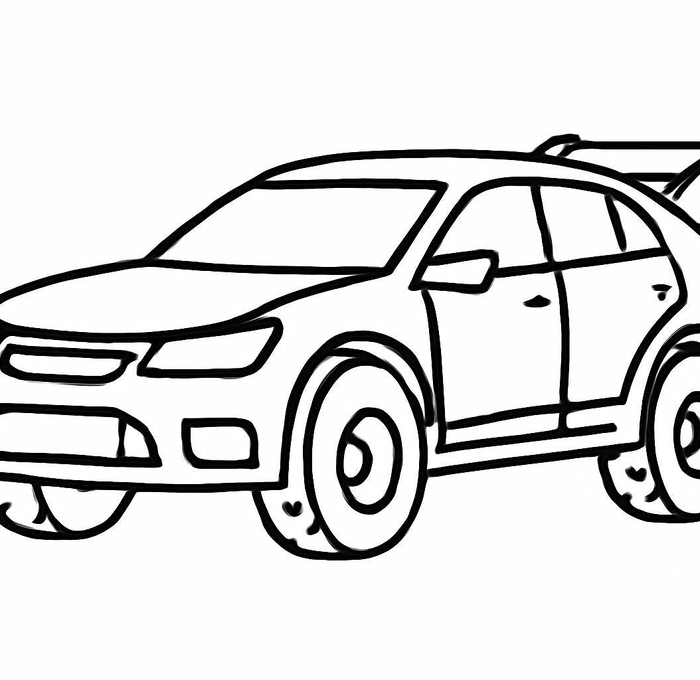
Easy themes (fruit, cars, animals)
✔ Ages 5–7: Varied shapes and detailed pictures
Children begin exploring more creativity. Choose pages that include:
-
Cartoon characters
-
Nature scenes
-
Simple mandalas
✔ Ages 8+ and up: Intricate designs for focus and calm
Older kids enjoy more detailed themes, which can also support relaxing coloring and stress relief, especially for kids with busy routines.
Look for:
-
Intricate animals
-
Fantasy worlds
-
Advanced patterns
Matching the design to the child's developmental stage ensures a positive experience rather than frustration.
Look for Coloring Pages That Promote Problem-Solving Skills
Coloring helps kids learn how to think through tasks, make choices, and understand cause-and-effect.
✔ Puzzle-like coloring pages
Some pages include small challenges or hidden objects kids must find and color. These stimulate:
-
Observation skills
-
Logical reasoning
-
Focus
✔ Pages with guided instructions
For example:
-
“Color all the triangles blue”
-
“Color the animals that live in the ocean”
This blends coloring with critical thinking and categorization skills.
✔ Scenes with multiple elements
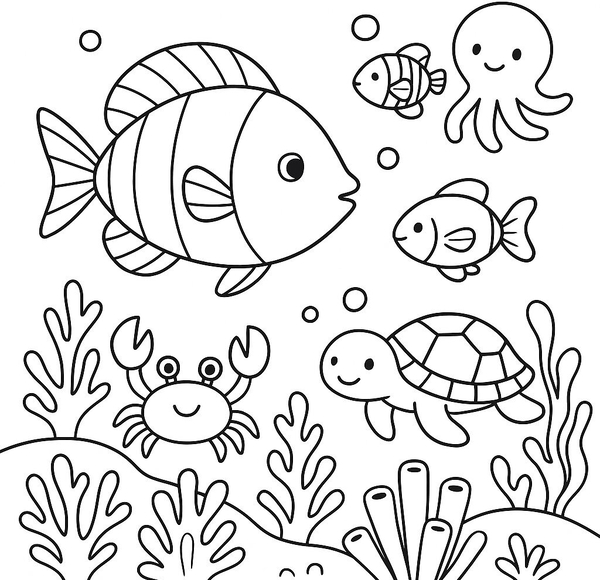
Cityscapes, forests, underwater worlds, or playground scenes help kids explore visual complexity while deciding how to organize colors.
Encourage Creativity With Open-Ended Coloring Pages
Some pages are highly structured—but kids also need freedom.
✔ Choose pages with open spaces
Let children express imagination through:
-
Their own patterns
-
Additional drawings
-
Creative color combinations
✔ Avoid overly restrictive templates
If every color is pre-assigned, kids don’t get the chance to practice decision-making.
✔ Mix structured and open-ended pages
A balanced collection helps kids grow both creatively and logically.
Use Coloring Pages for Relaxation and Stress Relief
Many parents are surprised to learn that kids experience more stress today than ever before. School schedules, sensory overload, and screen time contribute to emotional pressure.
Relaxing coloring can help. Slow, mindful coloring offers natural stress relief by:
-
Calming the nervous system
-
Reducing negative emotions
-
Allowing quiet time
-
Helping kids focus on the moment
✔ Choose calming designs
-
Soft patterns
-
Nature themes
-
Whimsical illustrations
-
Mandalas suitable for children
✔ Integrate coloring into daily routines
Try using coloring before bedtime or after school to establish peaceful habits.
Support Thinking Skills With Educational Themes
Coloring becomes more meaningful when it also teaches something important.
Popular educational themes include:
-
Alphabet & numbers
-
Science (plants, planets, habitats)
-
Geography (landmarks, maps)
-
Emotions and social skills
-
Cultural celebrations
These pages promote learning while also improving memory and comprehension.
Look for High-Quality Line Art
Low-quality coloring pages can be confusing or visually cluttered. Choose pages with:
-
Clear, bold outlines
-
Consistent spacing
-
Clean layouts
-
Appropriately sized elements
High-quality pages keep kids engaged longer and prevent frustration.
Printable vs. Digital Coloring Pages
In 2026, parents can choose between printable kids coloring pages and digital options.
✔ Printable pages
-
Great for tactile learning
-
Reduces screen time
-
Good for sensory experiences
✔ Digital coloring
-
Perfect for relaxing coloring on the go
-
No mess
-
Undo features help younger kids learn
-
Encourages experimentation
A combination of both works best for most families.
Observe Your Child’s Interests
Kids learn best when they are excited. Pay attention to what your child enjoys.
Popular interest themes include:
-
Dinosaurs
-
Princesses
-
Superheroes
-
Space
-
Animals
-
Vehicles
-
Fantasy creatures
Matching coloring pages to personal interests also strengthens attention span and engagement.
Always Consider the Learning Goal
Before choosing kids coloring pages, ask yourself:
-
Do I want to help my child practice creativity?
-
Do I want them to learn something new?
-
Am I focusing on stress relief or emotional balance?
-
Am I promoting early cognitive development?
This helps you pick pages that truly support your child’s needs.
Frequently Asked Questions (FAQ)
1. How does coloring support cognitive development in kids?
Coloring encourages problem-solving, focus, memory, hand-eye coordination, and decision-making—all key elements of cognitive development.
2. Can coloring help with stress relief for children?
Absolutely. Many children use relaxing coloring activities to calm down, process emotions, and transition from busy routines.
3. How often should kids color for developmental benefits?
Even 10–20 minutes a day can improve focus, creativity, and emotional balance.
4. What type of coloring pages are best for young children?
Simple designs with bold lines, basic shapes, and recognizable themes.
5. Should I let kids choose their own coloring pages?
Yes—choice boosts independence, confidence, and motivation. Just ensure options are age-appropriate and developmentally supportive.
Conclusion
Choosing the right kids coloring pages transforms a fun activity into a powerful tool for growth. The right pages inspire creativity, support cognitive development, and offer moments of relaxing coloring that provide natural stress relief for young minds.
As parents and teachers, we have the chance to nurture curiosity, confidence, and imagination simply through coloring. Let your child explore pages that challenge their brain, calm their heart, and awaken creativity.
In 2026 and beyond, coloring remains one of the most accessible—and magical—ways to help kids grow.
Encourage them to pick up their crayons, open a fresh page, and discover a world of learning hidden within every line. ????✨



AAdministratorAdministrator
Welcome, honored guests. Please leave a comment, we will respond soon